


Beginner Guide to Group Training
Walking into your first class can feel harder than the workout itself. You might be wondering where to stand, what to bring, whether everyone else knows exactly what they’re doing, and if you’ll be the only beginner in the room. This beginner guide to group training is here to make that first step feel easier, so you can get the benefits of class-based fitness without the stress.
Group training works because it gives you structure, energy and accountability in one session. You do not need to be super fit to start, and you definitely do not need to have everything figured out before you walk through the door. The right class environment meets you where you are and helps you build confidence from there.
Why group training works for beginners
For many people, training alone sounds flexible but turns into inconsistency. You arrive at the gym, wander between machines, do a few exercises you half remember, then head home feeling like you should have done more. Group training removes that guesswork.
A good class gives you a clear plan, a coach to guide the session, and other people around you who are there for the same reason - to feel better, get stronger and stay consistent. That matters when motivation is low after work, school drop-off runs long, or life gets busy.
It also creates momentum. When you’ve booked in for a session, you are more likely to show up. When you show up, you are more likely to improve. That rhythm is often what beginners need most.
There is a trade-off, of course. Group training is less personalised than one-to-one coaching, and some formats move faster than others. But for many beginners, the extra motivation and structure outweigh that, especially when classes are coached well and offer exercise options for different fitness levels.
Beginner guide to group training: what to expect
Most first-timers worry they’ll be thrown into an intense session with no idea what’s going on. In a quality gym, that should not happen.
You can usually expect a warm-up, a coached workout, and a cool-down or recovery finish. The coach explains the session, demonstrates key movements and helps with form along the way. Some classes focus on strength, some on cardio, some on mobility, and some blend all three.
You may see people at different stages of their fitness journey in the same room. That is normal. Group training is not about everyone moving at the same speed. It is about everyone following the same session in a way that suits their current level.
If you are worried about keeping up, let the coach know before class starts. A quick chat can make a big difference. They can suggest where to set up, what weights to use, and how to modify movements if needed.
Choosing the right class for your starting point
Not every class is the best first class. If you are brand new to exercise, coming back after time off, or managing an injury history, it helps to choose a format that builds confidence instead of testing it on day one.
Strength-based classes can be a smart place to start because they tend to be more controlled and technique-focused. You have time to learn movement patterns, understand equipment and pace yourself. Reformer Pilates can also be a great option if you want low-impact training that improves core strength, posture and control.
Higher-energy sessions with lots of jumping, fast transitions or advanced conditioning can still be suitable later on, but they may feel full-on at the very beginning. That does not mean you should avoid challenge altogether. It just means your first win should be showing up and finishing feeling capable, not wrecked.
The best beginner class is the one you will actually come back to. If you enjoy it, feel supported and can fit it into your week, you have found a strong starting point.
What to bring and how to prepare
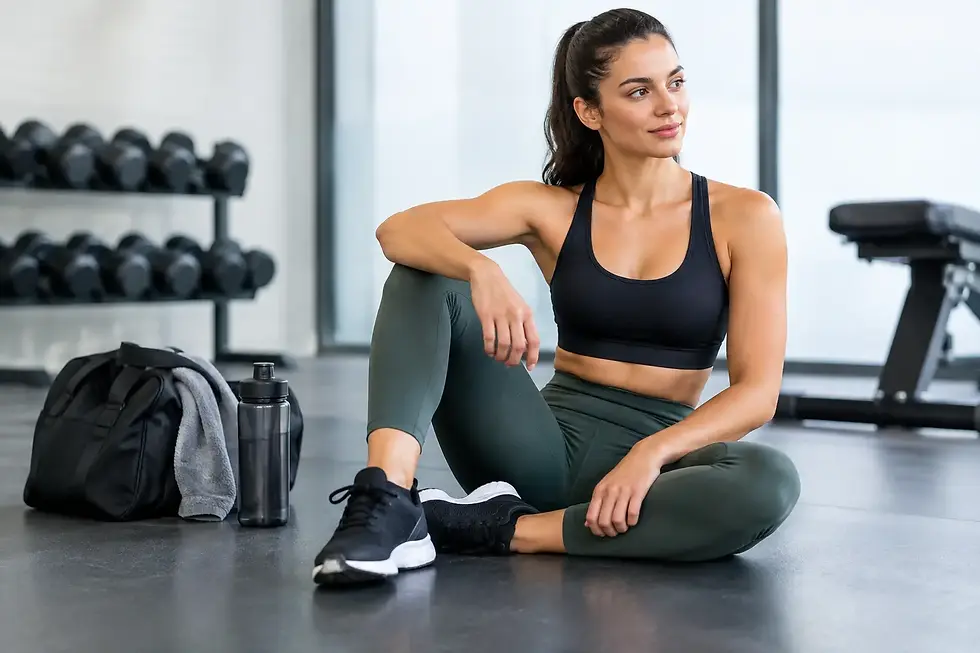
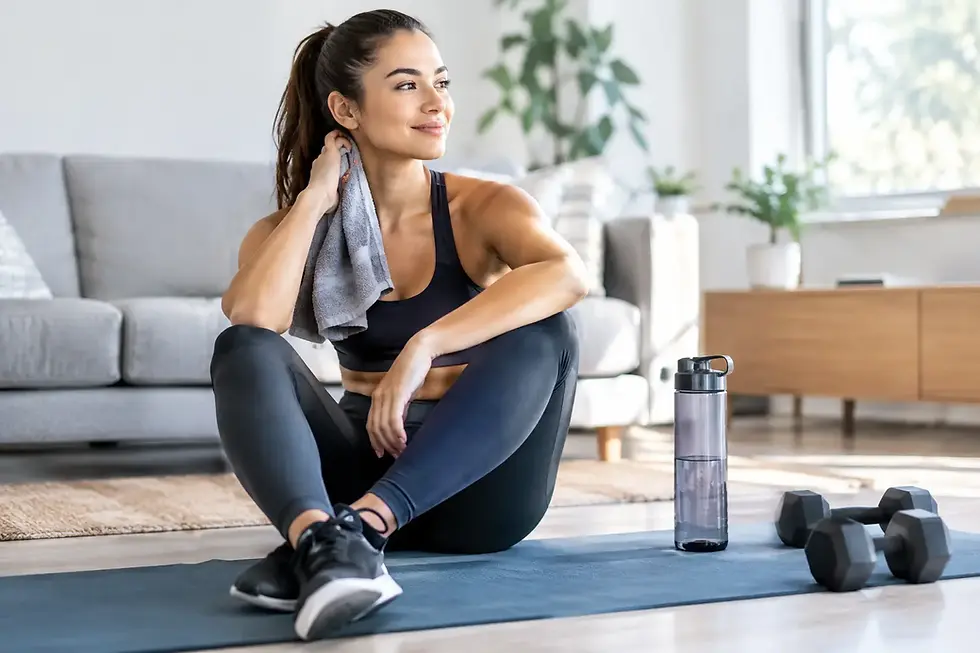
You do not need fancy gear or a perfectly curated fitness routine. Comfortable workout clothes, supportive trainers, a towel and a water bottle are enough for most classes.
Arrive a little early for your first session. That gives you time to check in, meet the coach and settle in without feeling rushed. If you have any injuries, movement limitations or nerves about training, say so. Coaches would rather know upfront than guess mid-session.
Eat in a way that feels sensible for you. Some people like a light snack 60 to 90 minutes before class, while others prefer to train earlier and eat after. It depends on the class intensity and your own stomach. Hydration matters too, especially in warmer months.
One more thing that helps - do not judge your first class by how polished you look. The goal is not to be instantly good at group training. The goal is to get comfortable enough to return.
How to get the most out of your first month
The first month is about consistency, not perfection. If you go too hard too soon, soreness and fatigue can knock your confidence around. A steadier approach usually works better.
Aim for two to three sessions a week to start. That is enough to build routine without overloading your body. You will start to learn the class flow, recognise movements and feel less self-conscious. Fitness improves, but familiarity is often the bigger win early on.
It also helps to mix your training. If every session is high intensity, recovery can become a problem, especially for beginners balancing work, family and everyday stress. Combining strength, cardio and lower-impact options creates a more sustainable week.
Rest is not slacking off. It is part of progress. So is sleeping well, eating enough and giving your body time to adapt.
Common beginner worries and what is actually true
A lot of people avoid group training because of assumptions that simply do not hold up in a supportive gym environment.
The first is, everyone will be watching me. In reality, most people are focused on their own workout and trying to catch their breath. The second is, I need to get fitter before I join. That often keeps people stuck. Group training is one of the ways you get fitter in the first place.
Another common fear is not knowing the exercises. That is exactly why coaches are there. No one expects you to walk in knowing every movement. Good instruction, clear demos and regressions are part of the class experience.
And if you are thinking, I’m too old, too unfit or too far behind, that belief deserves a challenge. Beginners start at every age. What matters is finding a place that feels welcoming enough to keep going.
How a good gym makes group training easier
The class itself matters, but so does the environment around it. A premium facility should make fitness feel simpler, not more intimidating.
That means clean spaces, well-run sessions, a timetable that suits real life and coaches who are switched on to different ability levels. It also means having options. Some days you might want the energy of a group fitness class. Other days a reformer session, some solo gym time or extra support from a trainer may suit you better.
That flexibility is what helps people stay on track long term. Life is not always predictable. Your training should be able to work with that, not against it. At My Gym, that mix of convenience, class variety and a judgment-free community is what helps beginners settle in and keep moving.
Beginner guide to group training success
If you want group training to stick, think less about smashing every session and more about building a habit you can actually maintain. Show up consistently. Ask questions. Start lighter than your ego wants to. Learn the basics properly. Let confidence grow from repetition.
There will be days when you feel strong and days when you feel flat. Both count. Progress in group training is not just measured by faster rounds or heavier weights. It is also measured by turning up after a long day, feeling more comfortable in the room, and realising that the thing that once felt intimidating now feels like part of your week.
You do not need to wait until you feel ready. Most people start a little unsure. The difference is that they start anyway - and a few classes later, they’re glad they did.
Comments