


What Is Group Fitness Classes and Why Join?
Missed another solo workout because work ran late, the kids needed you, or motivation just wasn’t there? That’s exactly why so many people ask, what is group fitness classes, and why does it work so well for real life.
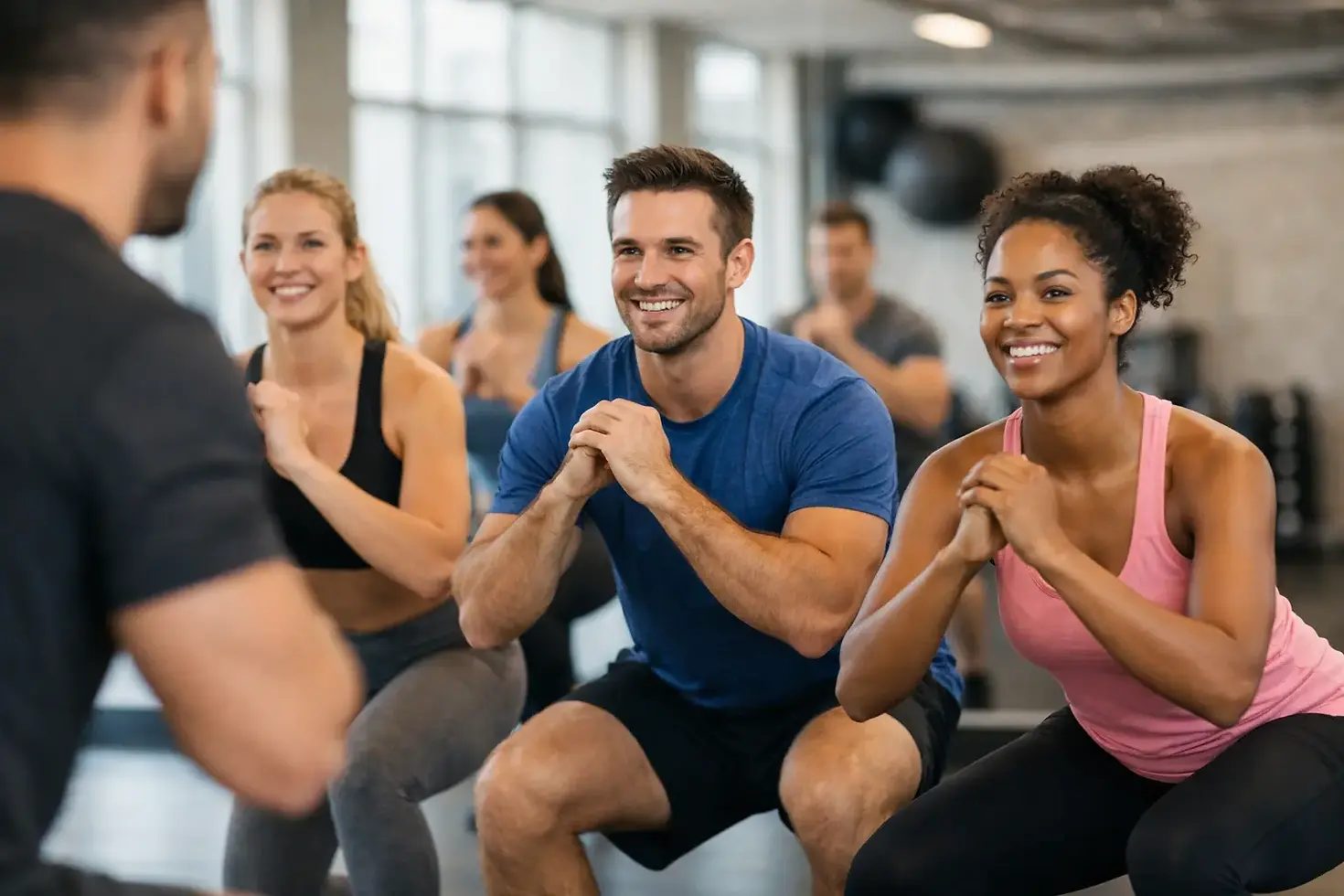
At its core, group fitness classes are coach-led workouts done with other people in a shared space, usually at set times and with a clear format. Instead of wandering the gym floor deciding what to do, you walk in, follow the session, and train alongside others doing the same workout. It sounds simple, but that structure can make a huge difference when you’re trying to stay consistent.
What is group fitness classes in practical terms?
If you’ve never tried one, the easiest way to think about group fitness is organised training with guidance, energy and accountability built in. A qualified instructor leads the class, sets the pace, demonstrates movements and helps keep everyone on track. Depending on the class, that might mean cardio, strength, core work, mobility, interval training, cycling, dance-based exercise, or lower-impact formats like Pilates.
The biggest difference from training on your own is that you don’t need to plan every detail. The workout is already prepared. That removes a lot of friction, especially for busy professionals, parents and anyone who wants exercise to feel less like another decision to make.
Group fitness classes can vary a lot in style. Some are high-energy and sweat-heavy. Others are slower, technique-focused and designed to build control, flexibility and strength over time. That variety is part of the appeal. You can choose what suits your fitness level, mood and schedule instead of forcing yourself into one training style.
Why group fitness classes are so popular
For many people, the hardest part of fitness isn’t the workout itself. It’s getting there consistently. Group classes help because they create a routine. When you book a class or know one starts at a certain time, it feels more concrete than saying you’ll train “later”.
There’s also a strong mental side to it. Training in a group gives you momentum. When the room is moving, music is on and the coach is encouraging everyone through the session, it’s easier to keep going than when you’re alone and tempted to cut things short. You’re still working at your own level, but the shared energy lifts the room.
That community factor matters more than people expect. A good class environment isn’t about being the fittest person there. It’s about feeling comfortable enough to show up as you are and build from there. For people who find the gym intimidating, classes often make fitness feel more approachable because there’s a clear start, finish and sense of doing it together.
What happens in a typical class?
Most group fitness classes follow a similar flow, even if the style changes. You’ll usually start with a warm-up to get moving and prepare your body for the session. Then comes the main workout, which might focus on intervals, resistance exercises, cycling blocks, core training or controlled Pilates movements. The class usually finishes with a cool-down or stretch.
The instructor’s role is a big part of the experience. A strong coach doesn’t just call out exercises. They help with technique, offer easier and harder options, keep the pace right and create an atmosphere where everyone feels welcome. In a premium, community-focused gym setting, that support is what turns a class from just exercise into something members actually look forward to.
Who are group fitness classes good for?
Short answer: almost anyone, if the class is matched well.
Beginners often do well in group fitness because they’re not left guessing. You don’t need to know how to build a program or use every piece of equipment before you start. You simply follow the session and learn as you go. That can be a much less intimidating entry point than walking onto the gym floor with no plan.
Intermediate and experienced members benefit too. Classes can add intensity, structure and variety to a training week. They’re also useful on days when you want to train but don’t want to think. Just turn up and get it done.
There are some trade-offs, though. If you have a very specific goal, like advanced powerlifting performance or sport-specific conditioning, classes may be better as part of your routine rather than your entire plan. And if you’re coming back from injury or managing a condition, it’s worth choosing lower-impact options and checking with the instructor so exercises can be modified where needed.
Different types of group fitness classes
Not every class is built for the same person or the same goal. That’s a good thing.
Cardio-based classes are great if you want to build fitness, burn energy and leave feeling switched on. Strength-focused classes usually use bodyweight, dumbbells, barbells or resistance equipment to help build muscle and improve overall conditioning. Reformer Pilates and mat-based Pilates focus more on control, posture, core strength and mobility, though they can still deliver a serious workout.
Then there are interval and bootcamp-style classes, which combine strength and cardio in a fast-paced format. These suit people who like variety and a bit of challenge. Recovery and mobility-focused classes sit at the other end of the spectrum and can be ideal if your body needs something lower impact.
The best option often depends on your current fitness, confidence and what you actually enjoy. A class you’ll attend regularly will always beat the “perfect” class you keep putting off.
Why group fitness works for busy local lifestyles
For people balancing work, family and everything else, convenience is not a bonus. It’s the difference between training and not training.
That’s where a gym with broad class variety and flexible access makes life easier. You might do a morning class before work one day, a late session after dinner the next, then train solo on the weekend when your schedule opens up. That mix helps fitness fit around your life instead of the other way around.
In growing suburbs around north-west Sydney, many people want local options that feel supportive, well-run and worth turning up for. Group fitness suits that perfectly because it brings together coaching, community and structure in one session. At My Gym, that approach is part of what makes training feel like more than a box to tick.
Are group fitness classes better than training alone?
Sometimes yes, sometimes no. It depends on what helps you stay consistent.
If you love independence, enjoy writing your own programs and know exactly how to train for your goals, solo sessions might suit you well. But if you struggle with motivation, need more variety, or want expert guidance without booking one-on-one coaching every time, classes can be the better fit.
For many members, the sweet spot is both. Use group fitness classes for accountability, energy and variety, then add solo gym sessions when you want extra strength work or flexible training times. That balance can keep your routine fresh without losing structure.
How to know if your first class is the right one
The right class should challenge you, not crush you. You want to leave feeling worked, encouraged and keen to come back, not embarrassed or completely wrecked.
If you’re brand new, start with a beginner-friendly or lower-impact option and let the instructor know it’s your first session. A good coach will help you settle in, offer modifications and make sure you understand the flow. Don’t judge all group fitness by one class, either. One style may not click, while another becomes the highlight of your week.
It also helps to give yourself a few sessions before making up your mind. The first class can feel unfamiliar simply because it’s new. Once you know the format, where to stand and how the coach runs things, confidence builds quickly.
What group fitness classes really give you
Yes, they improve fitness. But the real value often goes further than that.
They create routine when life is busy. They remove the pressure of figuring it all out yourself. They make the gym feel less intimidating and more welcoming. And they remind you that exercise does not have to be a lonely, stop-start effort.
If you’ve been trying to get consistent and nothing seems to stick, group fitness might be the reset you need. Sometimes the smartest way to train is simply to show up, be guided, and let the room carry you forward.


Comments